GlobX Blog
Insights on electronic component sourcing, market trends, and supply-chain best practices.

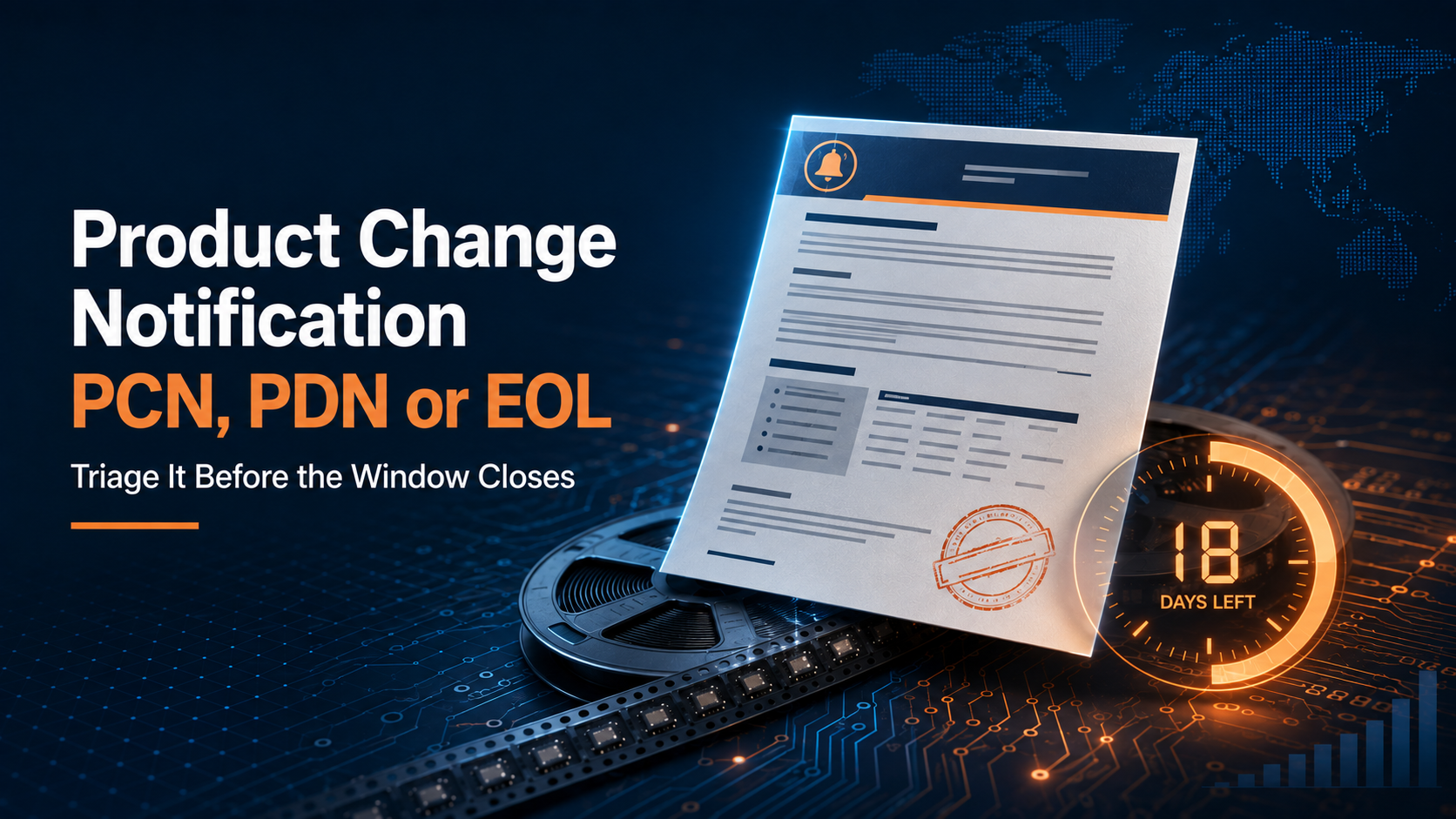
Product Change Notification (PCN): How to Triage a PCN, PDN or EOL Notice
A product change notification (PCN) is a manufacturer's formal warning that something about a part you already designed in is about to change. Under J-STD-046,…
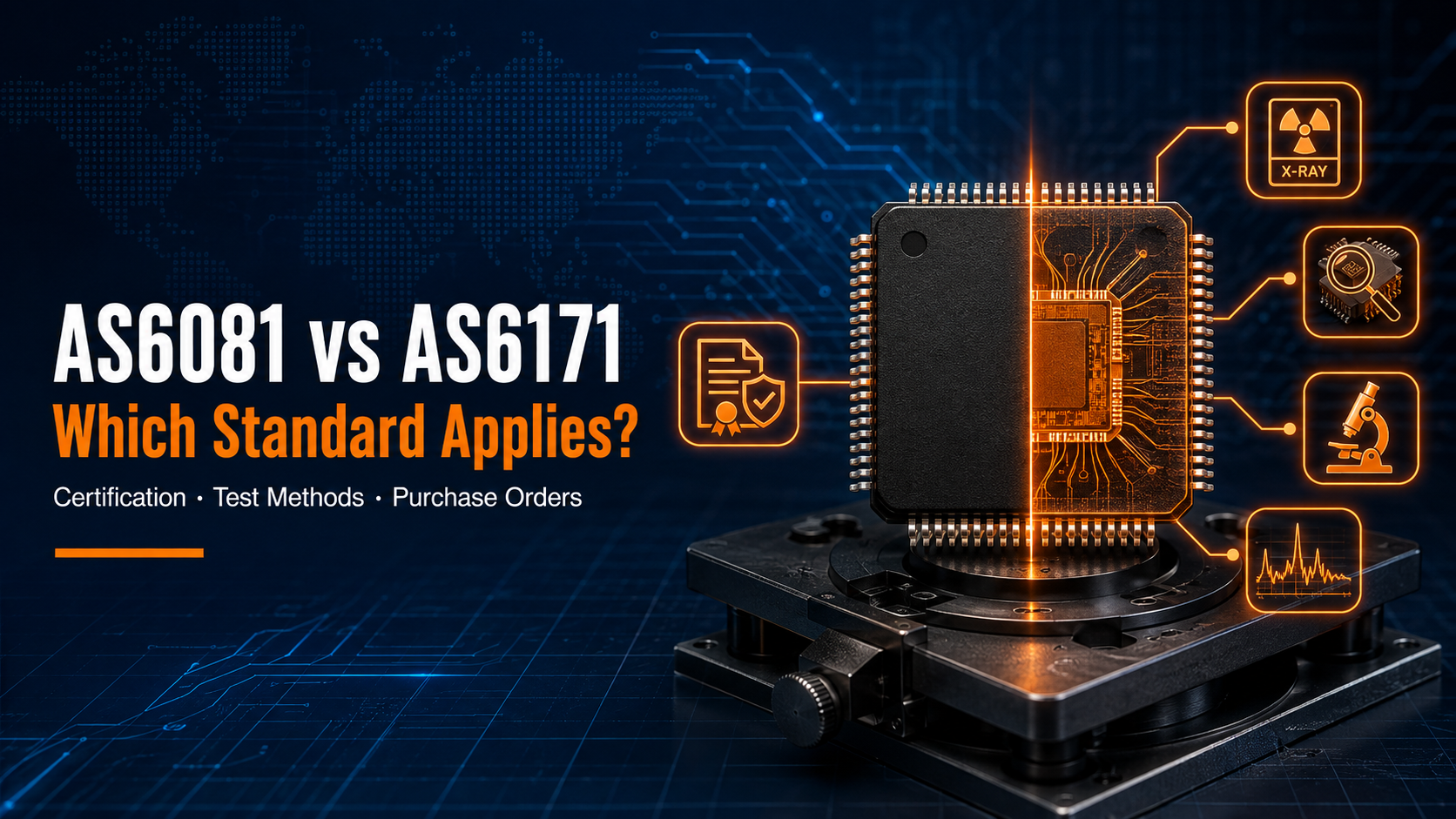
AS6081 vs AS6171: Which Counterfeit Test Standard Your Supplier Should Follow
AS6081 and AS6171 are not competing standards and you do not choose between them. AS6081 is the counterfeit avoidance standard a distributor is audited and cer…

Who Buys Excess Electronic Components? How to Vet a Buyer and Get a Fair Price
Excess electronic components are bought by four types of buyer: independent distributors, brokers, online marketplaces, and scrap recyclers. They pay very diff…
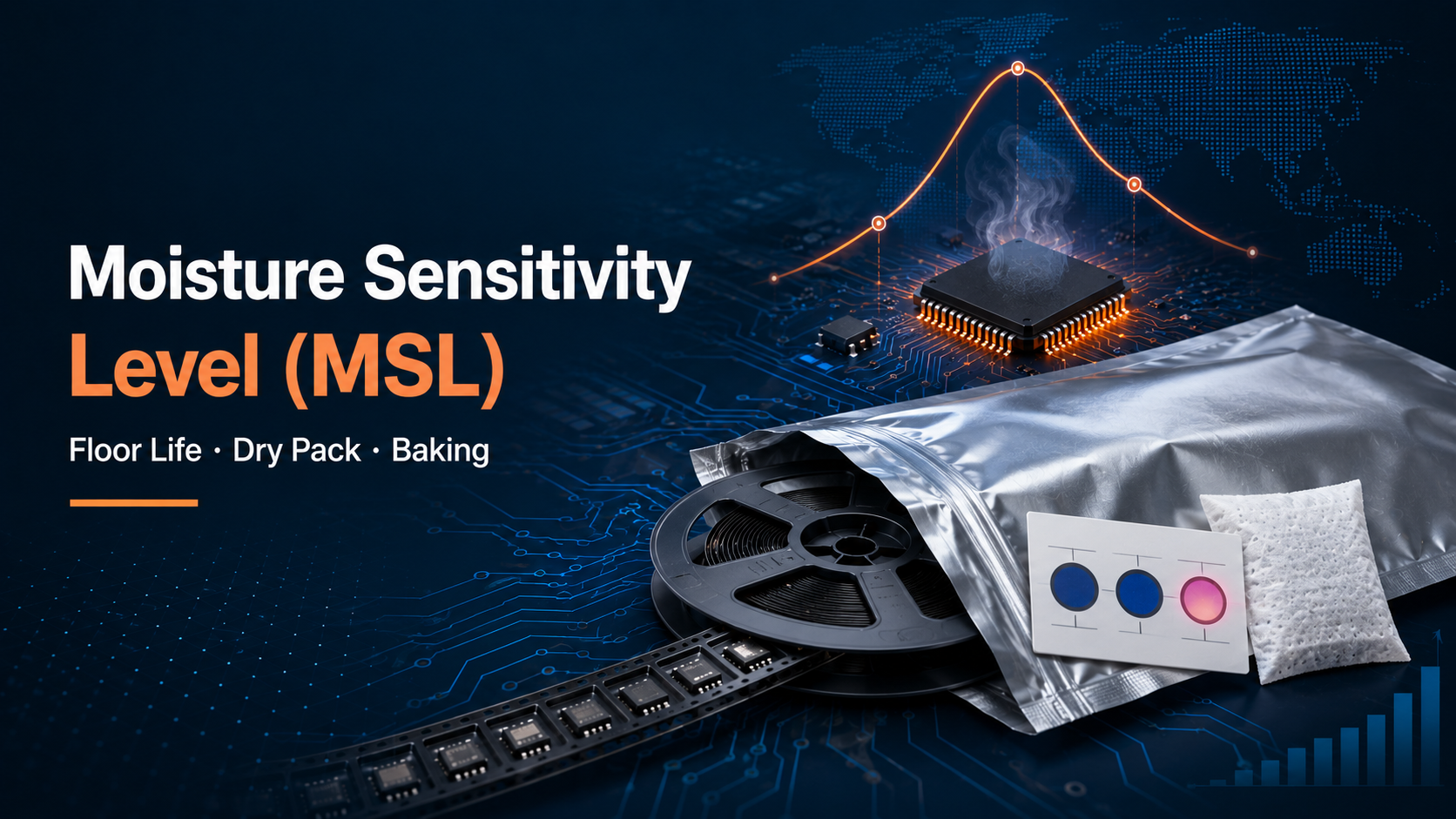
Moisture Sensitivity Level (MSL) Explained: Floor Life, Dry Pack and Baking
Moisture sensitivity level (MSL) is a JEDEC classification that tells you how long a surface-mount component may sit exposed to normal factory air before it mu…
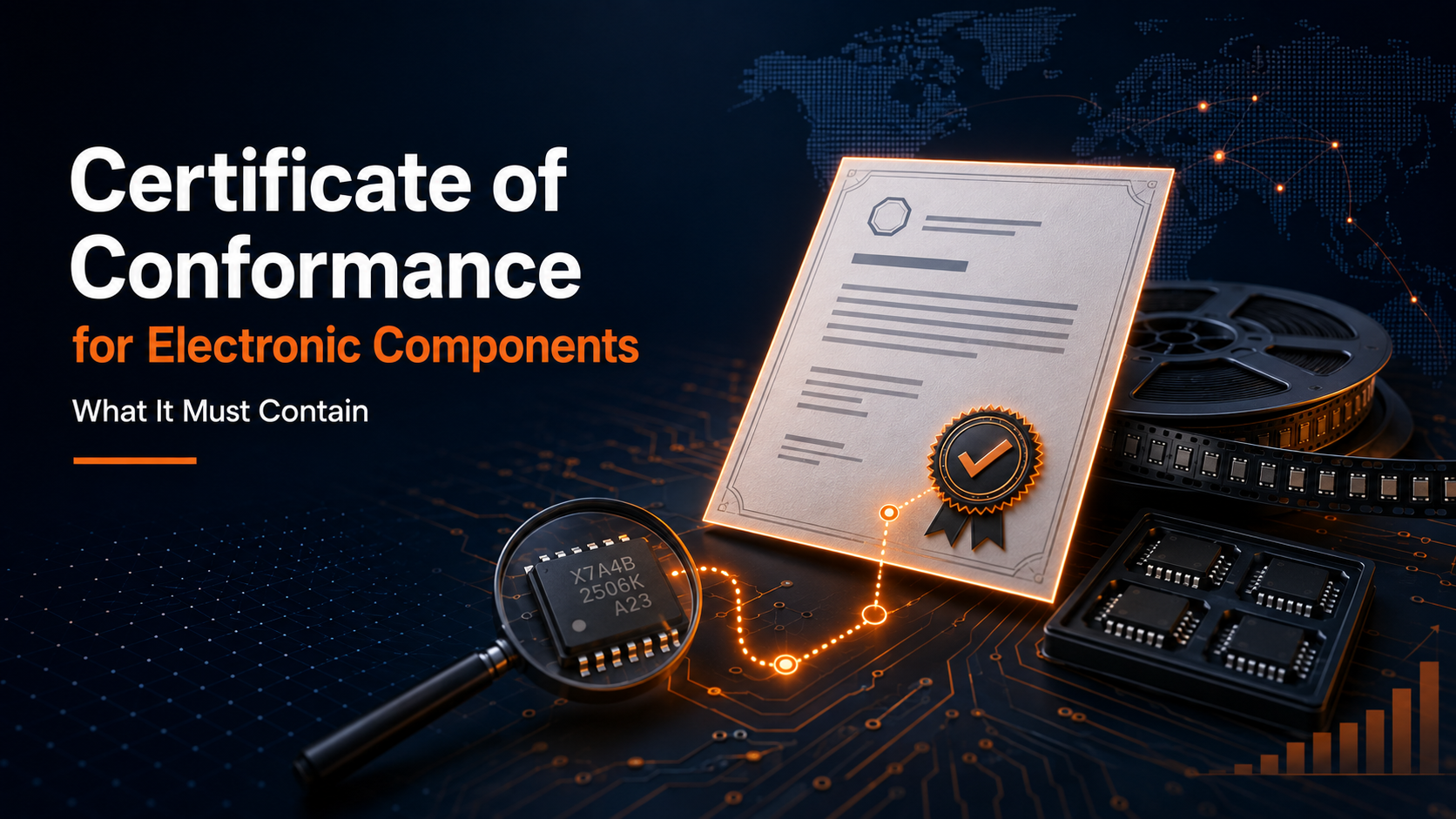
Certificate of Conformance for Electronic Components: What It Must Contain
A Certificate of Conformance (CoC) is a signed declaration from a manufacturer or supplier stating that a specific batch of parts meets the agreed specificatio…
Hard-to-Find Electronic Components in 2026: 6 Real Examples
A hard-to-find electronic component is a part that is still designed into working products but can no longer be bought through normal franchised channels - bec…
DDR2 End of Life: How to Keep Sourcing DDR2 SDRAM in 2026
DDR2 SDRAM reached end of life at most major manufacturers years ago, but in 2026 it is still buyable - if you know which lines remain active and which channel…

AI Infrastructure Is Reshaping the Semiconductor Supply Chain: 2026 Market Analysis
The 2026 semiconductor shortage is no longer a GPU story. AI infrastructure spending has spread the constraint across the entire electronics supply chain, and…
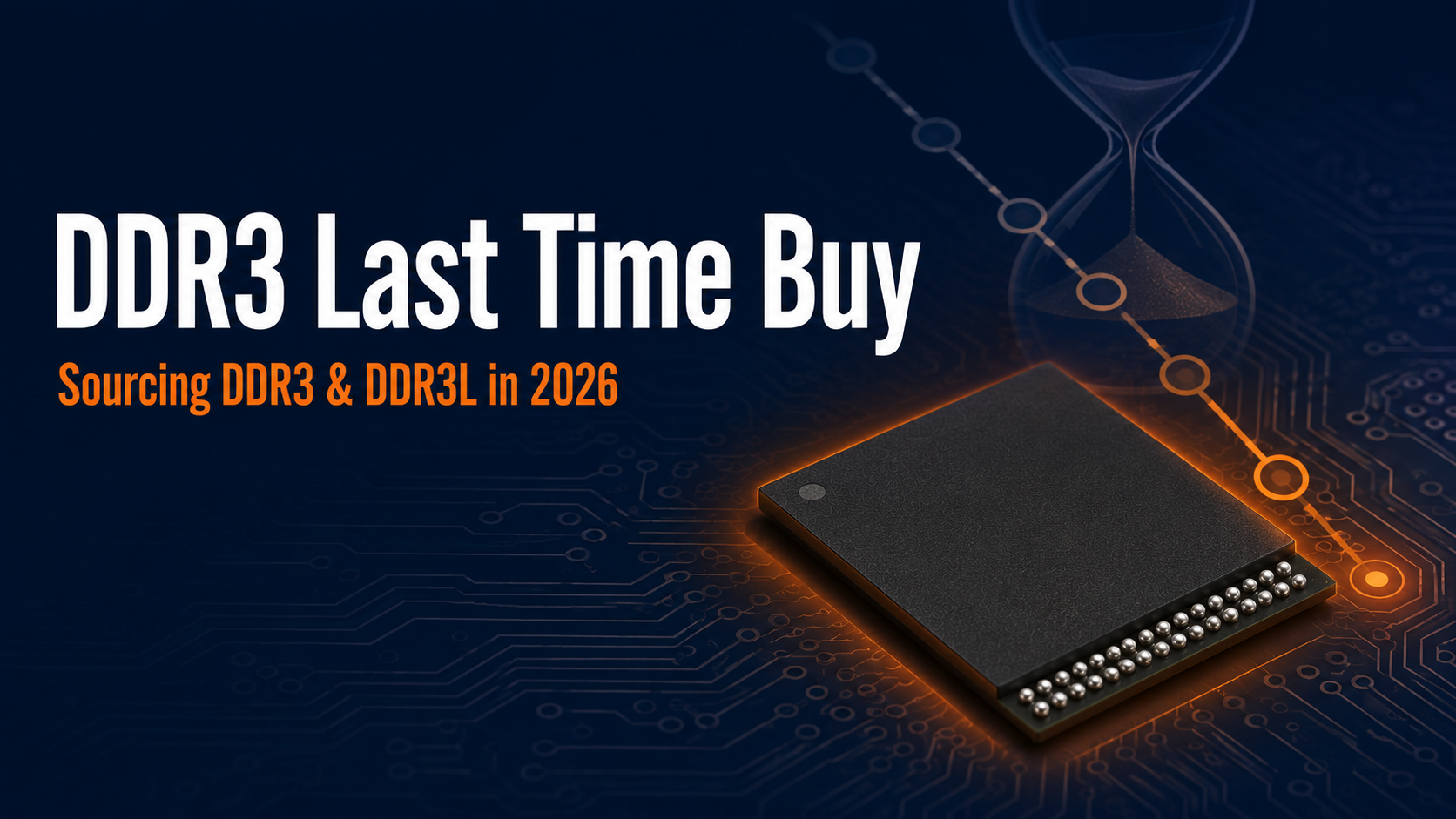
DDR3 Last Time Buy: Sourcing DDR3 and DDR3L in 2026
A DDR3 last time buy is now on the calendar for most industrial and automotive OEMs, whether they have scheduled it or not. Samsung ended DDR3 production in th…
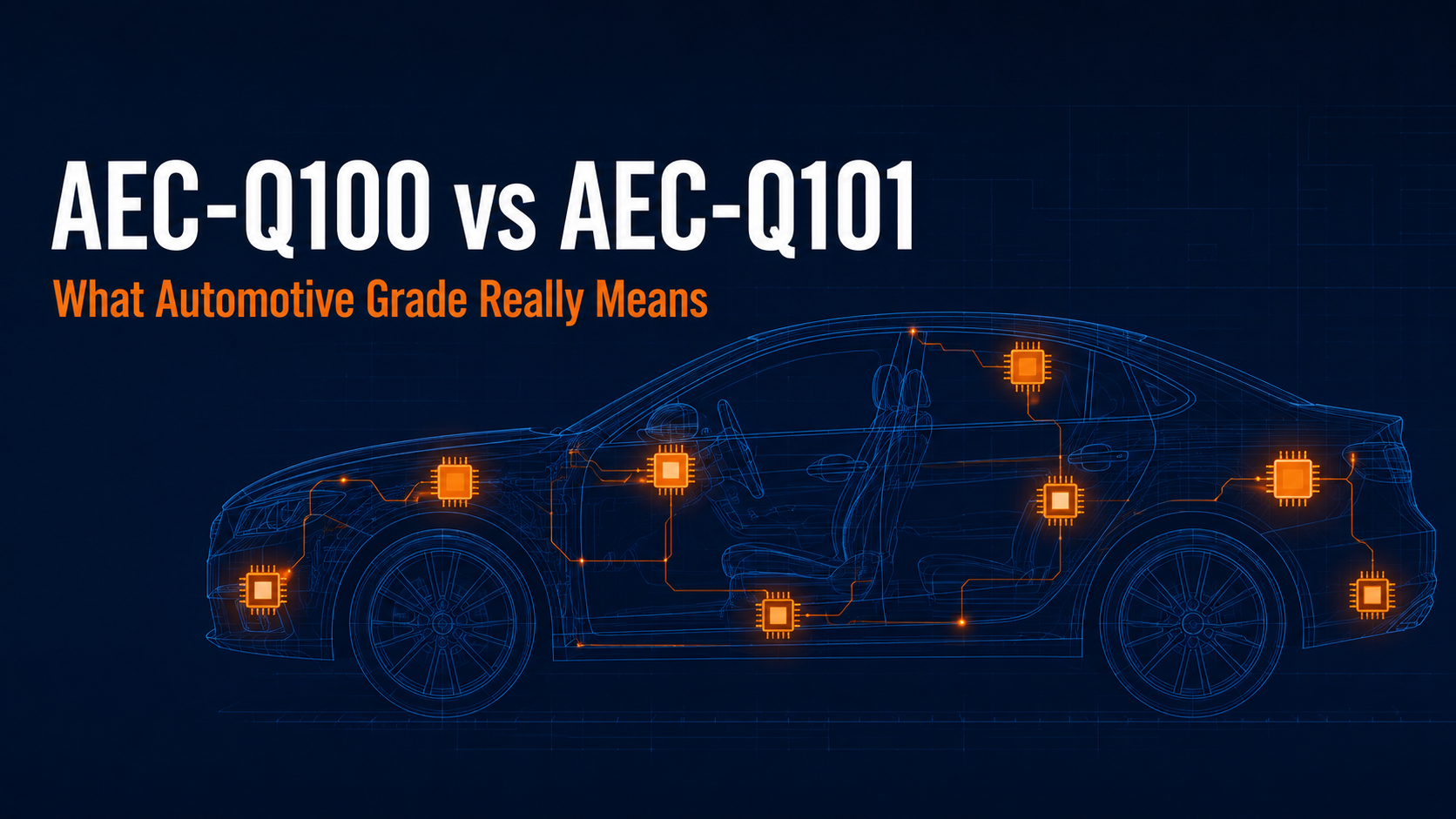
AEC-Q100 vs AEC-Q101: What Automotive Grade Really Means
AEC-Q100 and AEC-Q101 are the two qualification standards that decide whether a semiconductor may be called automotive grade. The split is simple: AEC-Q100 cov…
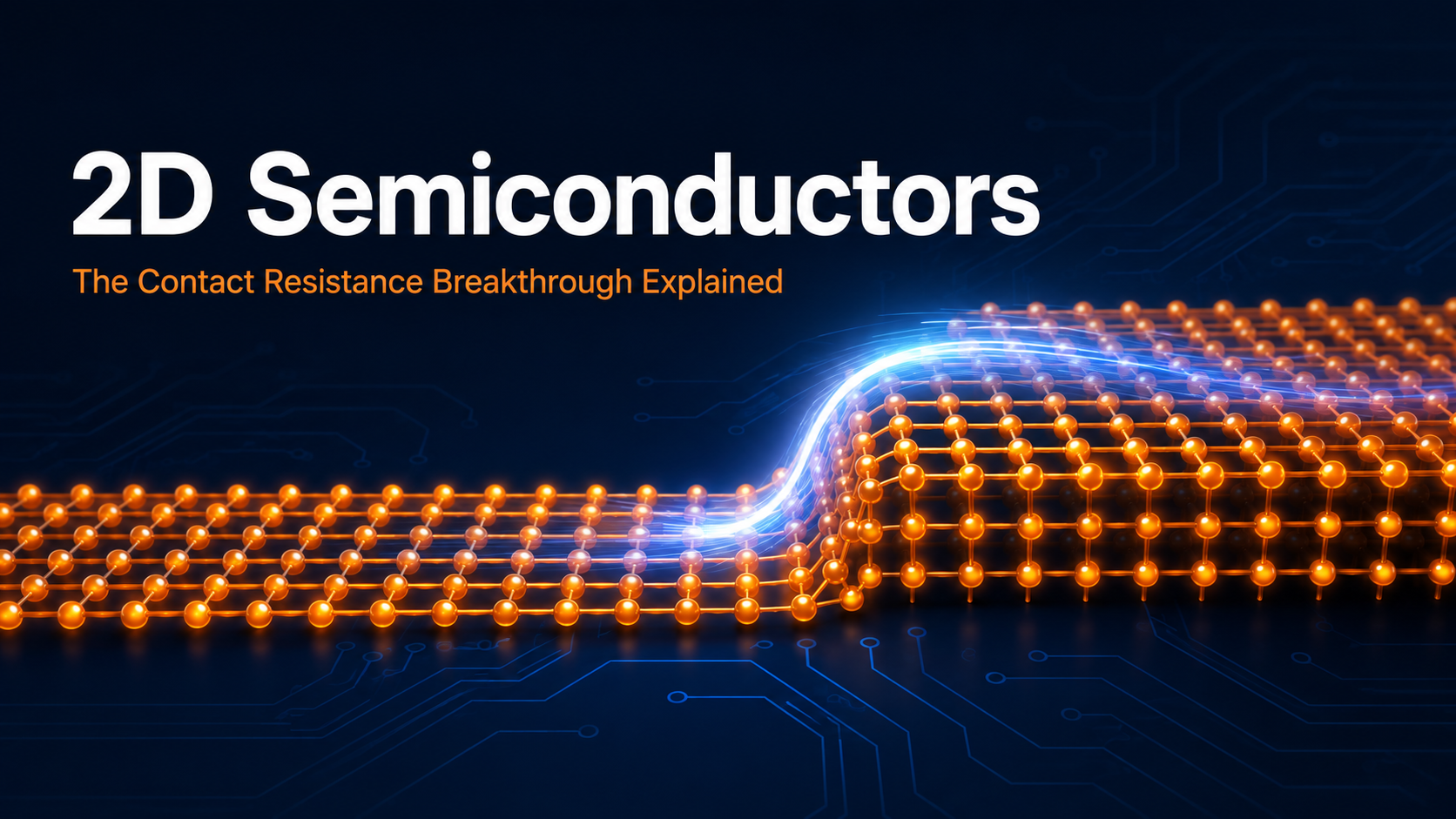
2D Semiconductors: What the KAIST Contact Resistance Breakthrough Means for Buyers
2D semiconductors are materials just one or a few atoms thick that can carry out the same switching work as the silicon in today's chips, and they are the indu…
Nexperia Alternatives 2026: What Automotive Buyers Can Do
The Nexperia crisis has left thousands of European production lines exposed. In October 2025 the Dutch government took control of Nexperia, the Nijmegen-based…