Compliance & Quality
Insights on electronic component sourcing, market trends, and supply-chain best practices.

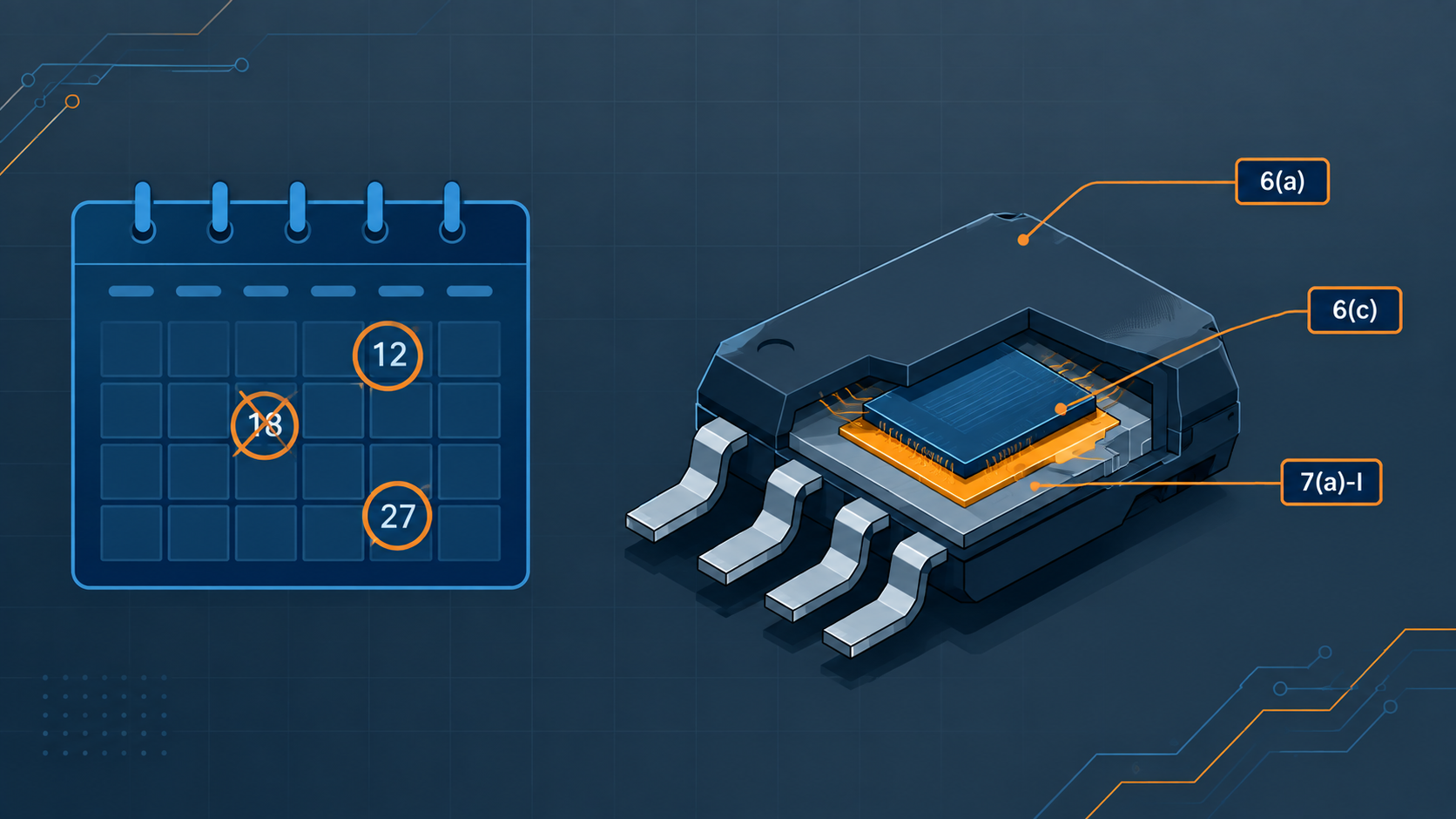
RoHS Exemptions Expiring in 2026: A 5-Question Check Before You Accept a Part Offer
Three Commission Delegated Directives adopted on 21 November 2025 rewrote the lead exemptions in Annex III of the RoHS Directive (2011/65/EU), and EU Member St…

Cyber Resilience Act Component Sourcing: 11 Questions Your Supplier Must Answer
From 11 September 2026, manufacturers selling products with digital elements in the EU must report actively exploited vulnerabilities to their national CSIRT w…
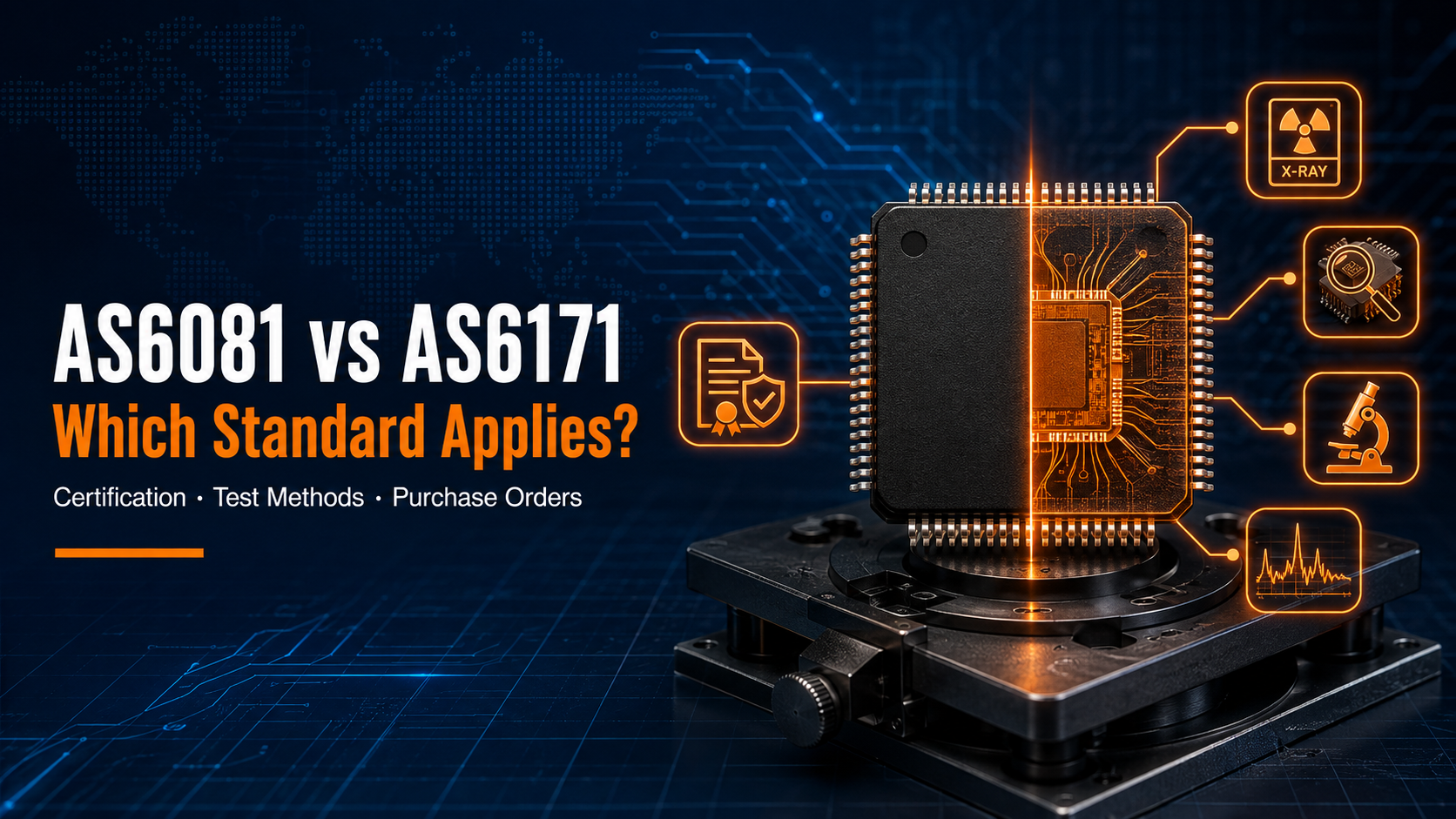
AS6081 vs AS6171: Which Counterfeit Test Standard Your Supplier Should Follow
AS6081 and AS6171 are not competing standards and you do not choose between them. AS6081 is the counterfeit avoidance standard a distributor is audited and cer…
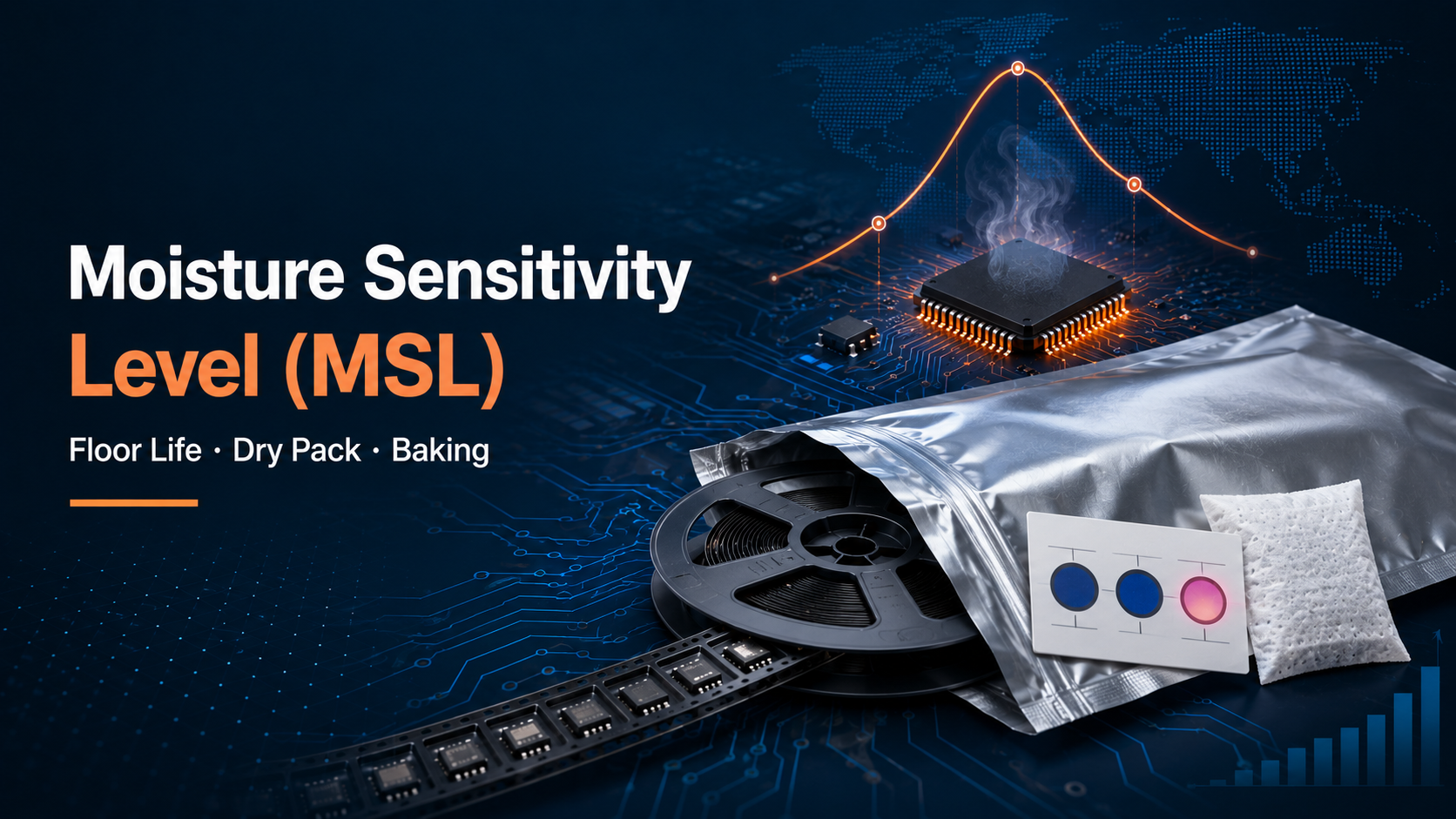
Moisture Sensitivity Level (MSL) Explained: Floor Life, Dry Pack and Baking
Moisture sensitivity level (MSL) is a JEDEC classification that tells you how long a surface-mount component may sit exposed to normal factory air before it mu…
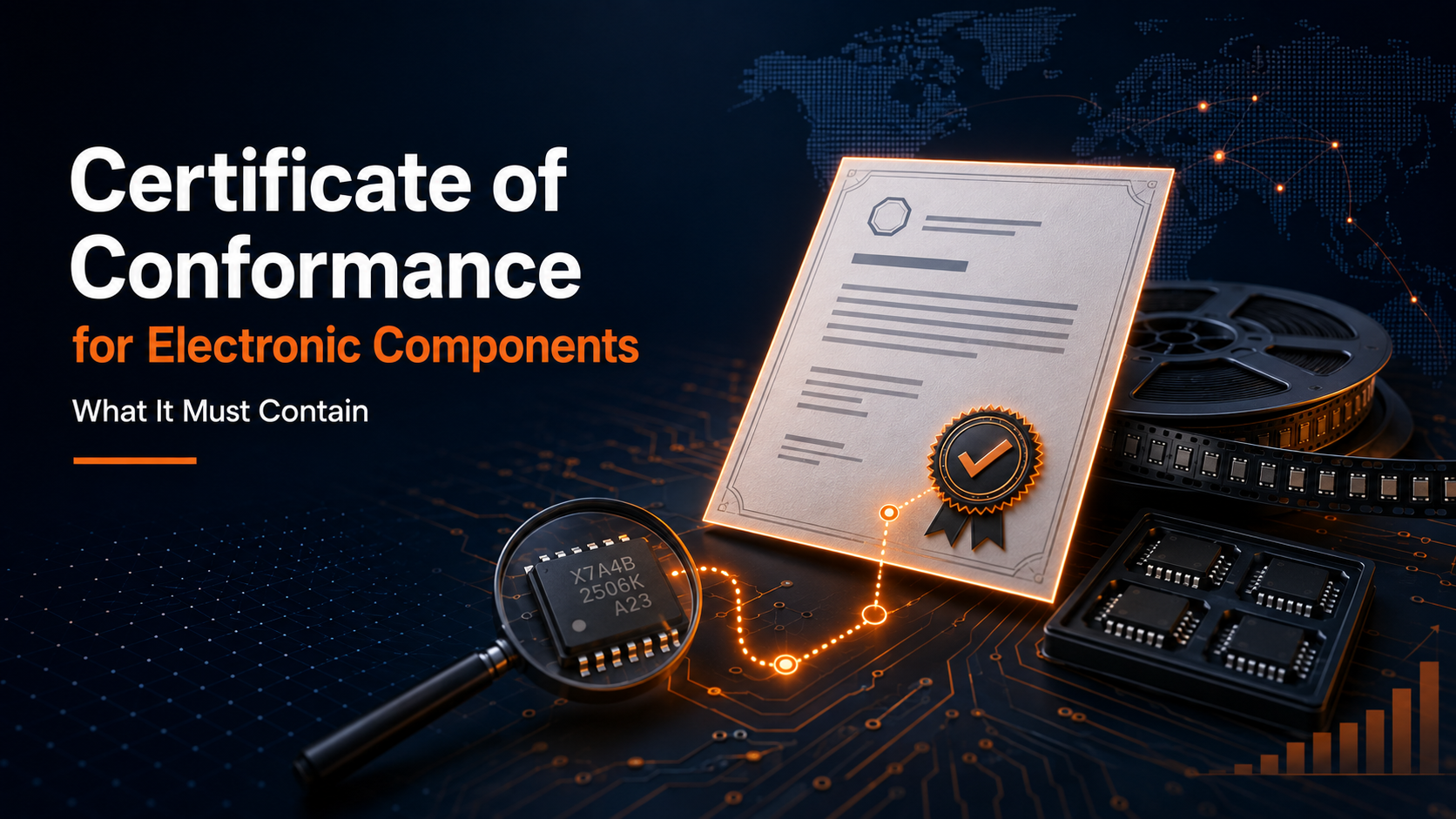
Certificate of Conformance for Electronic Components: What It Must Contain
A Certificate of Conformance (CoC) is a signed declaration from a manufacturer or supplier stating that a specific batch of parts meets the agreed specificatio…
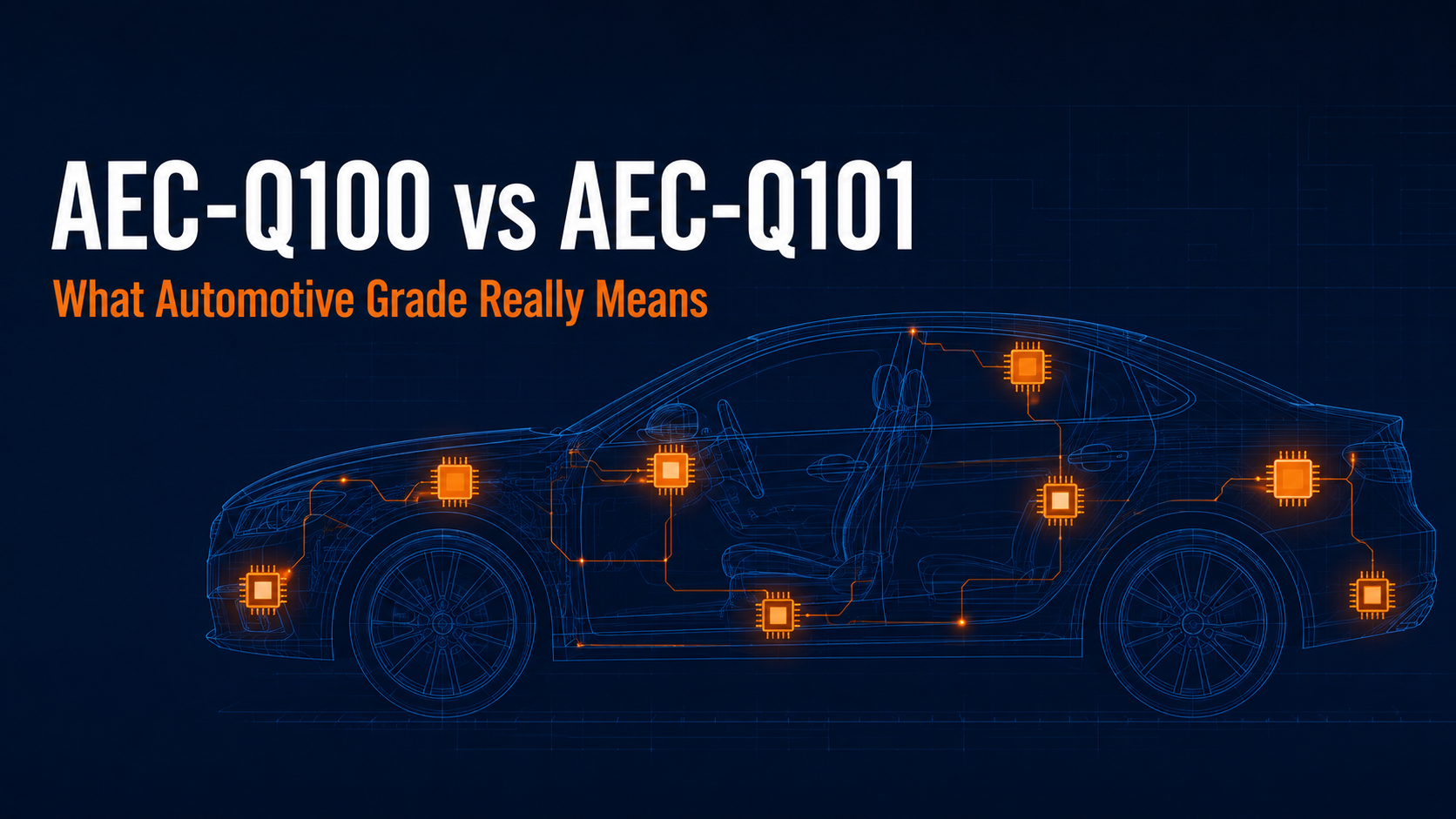
AEC-Q100 vs AEC-Q101: What Automotive Grade Really Means
AEC-Q100 and AEC-Q101 are the two qualification standards that decide whether a semiconductor may be called automotive grade. The split is simple: AEC-Q100 cov…
REACH Compliance for Electronic Components: A European Buyer's Guide
REACH compliance for electronic components means knowing which substances of very high concern (SVHCs) are present in the parts you buy, above which threshold,…
RoHS Compliance for Electronic Components: A 2026 Sourcing Guide for European OEMs
RoHS compliance is often treated as a regulatory checkbox, but for OEM and EMS buyers it is really a sourcing problem. Knowing that a part must be RoHS complia…